History
Learn about our family business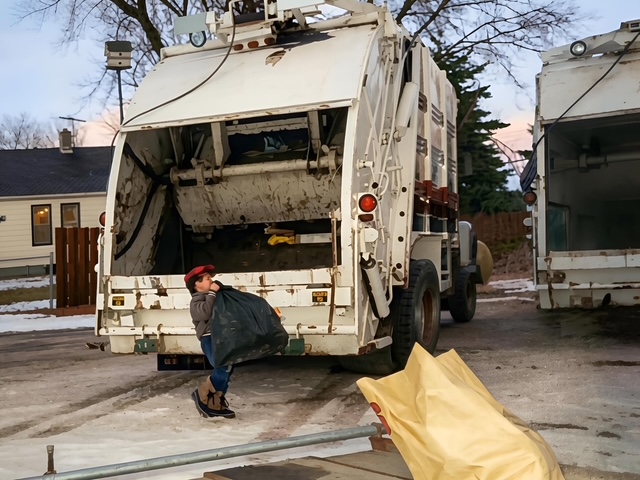
A Neighbor Helping Neighbors Since 1950
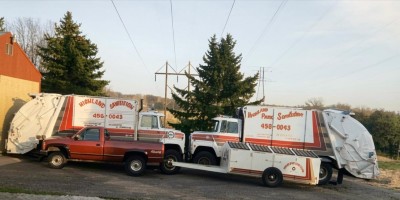
Back in 1950, Emil and Alice Oehrlein weren't trying to start a garbage company. They were simply taking care of what needed to be done.
One day, Emil loaded up his family's trash and hauled it to the dump himself. It seemed simple enough. Before long, a neighbor noticed.
"What are you doing with all your trash?"
Emil smiled and said, "Don't worry, I can take yours too."
The neighbor insisted on giving Emil some money for his time and gas, grateful that someone was willing to help keep his family's home clean. Then another neighbor asked. And another. Before long, what started as one neighbor helping another grew into something much bigger.
That's how Highland Sanitation was born.
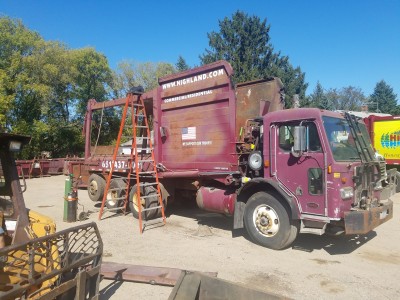
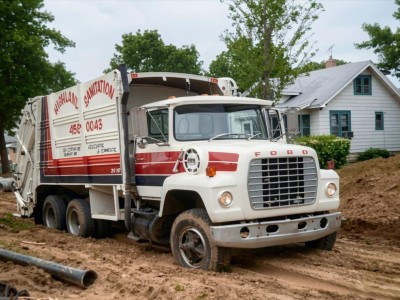
For more than 75 years, Highland has stayed true to those humble beginnings. While our trucks have gotten bigger and our routes have expanded, our philosophy hasn't changed: treat every customer like a neighbor.
In 1980, Emil and Alice's daughter, Sue Stewart, took the wheel and helped guide Highland through decades of growth while keeping the company's family-first values at its core. Today, Sue remains an important part of the business, working alongside the third generation.
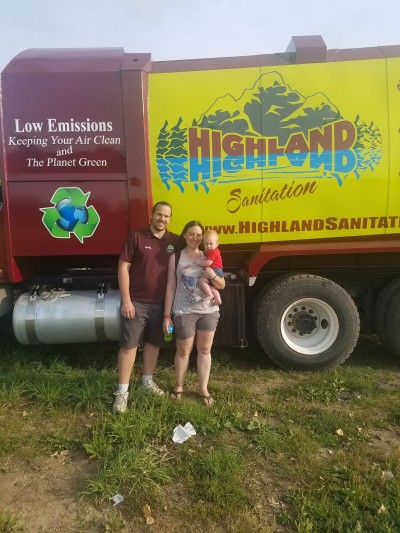
Her son, Bobby Stewart, now leads Highland with the same commitment to service that began with his grandparents. Alongside Bobby is his brother-in-law, Logan Hanus, whose days are spent managing drivers, maintaining Highland's facilities, turning wrenches as a master mechanic, and tackling just about anything else that needs to get done. Behind the scenes, Bobby's wife, Alyssa, and Logan's wife, Kasey Hanus—Sue's daughter and Bobby's sister—help keep the office running smoothly.
And if you stop by the office, don't be surprised to hear the laughter of Sue's grandchildren echoing down the hallway. Around here, family has always been part of the business.
We like to think Highland is still built on the same idea Emil had all those years ago: helping your neighbors, working hard, keeping your word, and treating people right. That's what mattered in 1950, and it's what matters today.
From our family to yours, thank you for letting us be your neighborhood sanitation company.
The Past
"Our grandparents believed that if you worked hard, treated people fairly, and did what you promised, customers would stay with you for generations. Those values became the foundation of Highland Sanitation & Recycling."
- Bobby Stewart
The Present
"We may have grown since 1950, but we're still the kind of company where a customer can call our office and speak with someone who truly cares."
- Kasey (Stewart) Hanus
The Future
"As we look ahead, our goal isn't simply to become bigger. It's to become better. Better service, better communication, smarter recycling programs, and continued investment in our employees and equipment—all while staying true to the family values that have guided us since 1950."
- Susan Stewart